Guide
Can you film inside a Chinese factory? Often, but not always.
The honest answer depends on the factory, the category and the city. Some welcome cameras, some allow it only with approval, and a few decline — we confirm which one you are facing before you book a flight.
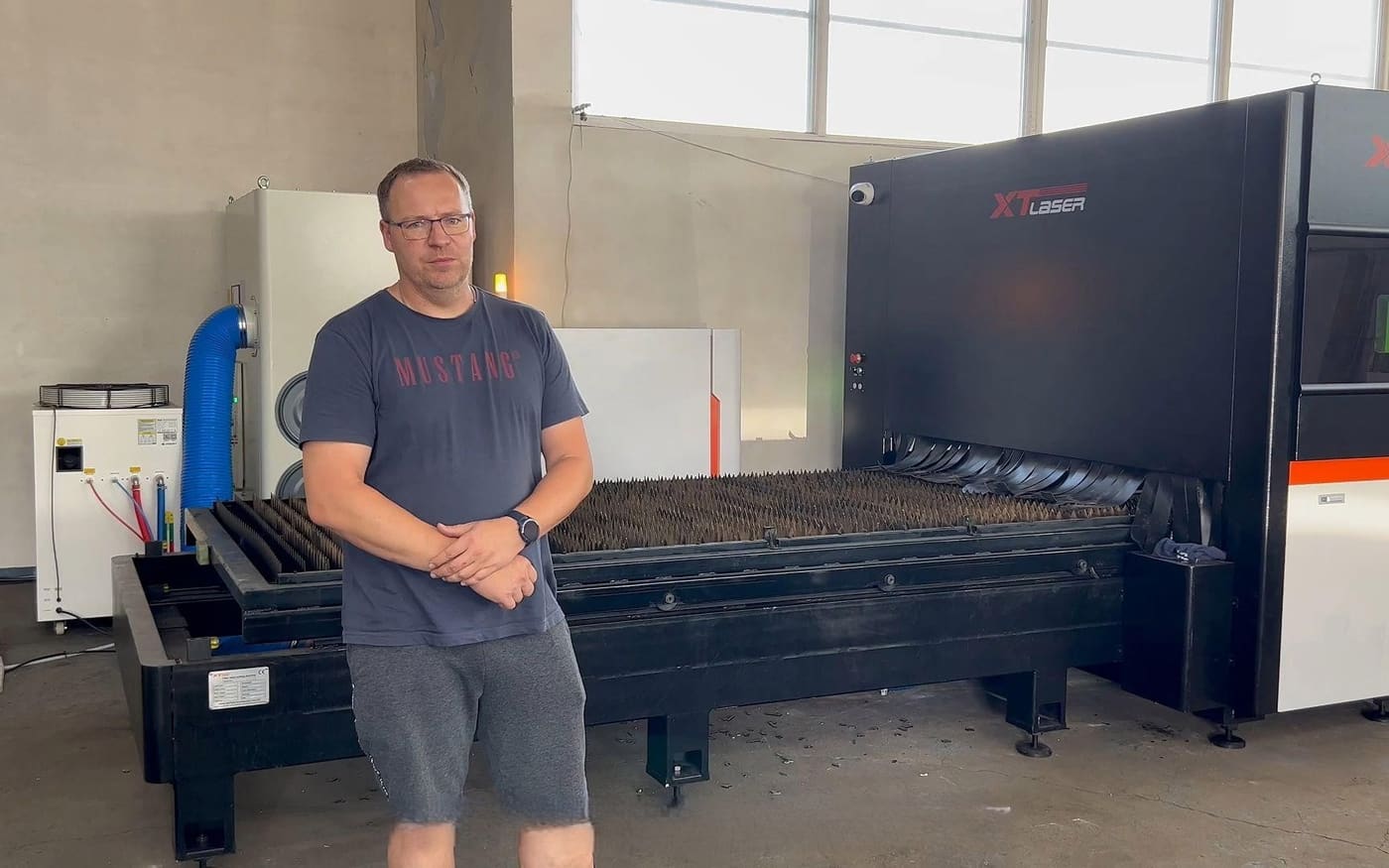
Permission
The real boundary of filming permission.
- Who can say yesThe owner or general manager, not the sales rep. A request that stops at sales almost never reaches the person who can approve it.
- How far aheadPermission needs to be requested ten working days ahead, in writing. Under 10 working days the honest expectation is often a refusal — not hostility, just a request that has not had time to route.
- The right to refuseA factory can decline for any reason, and some lines are off-limits by contract. Our job is not to overcome a no — it is to know which factories will say yes and have a substitute ready.
This is the process we run on filming coordination — the written request, the zone-by-zone restrictions, and the substitute factory held in reserve.
What is possible
What typically gets approved, and what does not.
Usually filmable
- Assembly and packing lines — the most commonly approved areas
- The warehouse and loading area
- Worker and owner interviews, with consent
- The production floor during a scheduled window
Usually refused
- Lines running a foreign-brand order under NDA
- Clean rooms and certain finishing processes
- Screens showing customer names or unshipped designs
- The tooling or mould store in many plants — treated as IP
- Drone use near industrial zones, unless cleared in writing
Which side of the line your shoot falls on is a cluster-by-cluster question — Yiwu is among the most filming-friendly, while large Ningbo plants route requests more slowly.
The process
How permission actually gets arranged.
- 01
Written request to the owner
The request names the factory, the zones and the purpose. Addressed to the owner, not the sales contact — that is the difference between a real answer and a stalled one.
- 02
Restrictions agreed per zone
Which areas are open, which are closed and which need a review, agreed in writing before you book anything.
- 03
Substitute held
A refusal is planned for, not reacted to. Every itinerary keeps a second factory, so a no costs you a location, not a shooting day.
- 04
Confirm before you fly
You board knowing what is filmable. Nothing is promised over the phone that is not confirmed in writing.
The result is what creators actually get: a route built around the shot list, and a straight answer on what will not film before anyone books a flight.
The fine print
Lead time, ownership and the NDA.
- How early to askIn writing, ten working days ahead. Under 10 working days and the honest expectation is often a refusal.
- Who owns the footageYou do. Some factories ask to review what you publish — that condition is agreed in writing up front, not negotiated afterwards.
- The NDA scopeAn NDA usually covers the factory’s customers and prices, not your footage. Read the scope before you sign.
- SubstitutesEvery itinerary holds a substitute factory, so a refusal costs you a location, not a shooting day.
All of this is settled in writing before you fly — which is exactly what filming coordination is for.
On the floor
Power, network and equipment limits.
- PowerFactory floors are 220V and usually fine, but a long shoot should bring its own batteries — the nearest socket may be across a moving line.
- NetworkSignal inside a concrete plant is often poor. Plan to record offline; do not design a shoot around live streaming from the floor.
- Equipment entryDeclare cameras, lights and stabilisers ahead so security knows what is coming. Undeclared gear at the gate is the fastest way to lose a morning.
- EnvironmentDust, heat and noise are part of the floor. Plan for them — it is what makes factory footage look real instead of staged.
If you want the permission and the logistics handled end to end, that is the creator factory tour.
Go deeper