Industries
We vet a few categories deeply, not every category shallowly.
Every category has a different way of being faked. Toys fail on a safety standard;beauty packaging fails when the "factory" is really a trading office. We only publish the categories we actually know how to check on the floor.
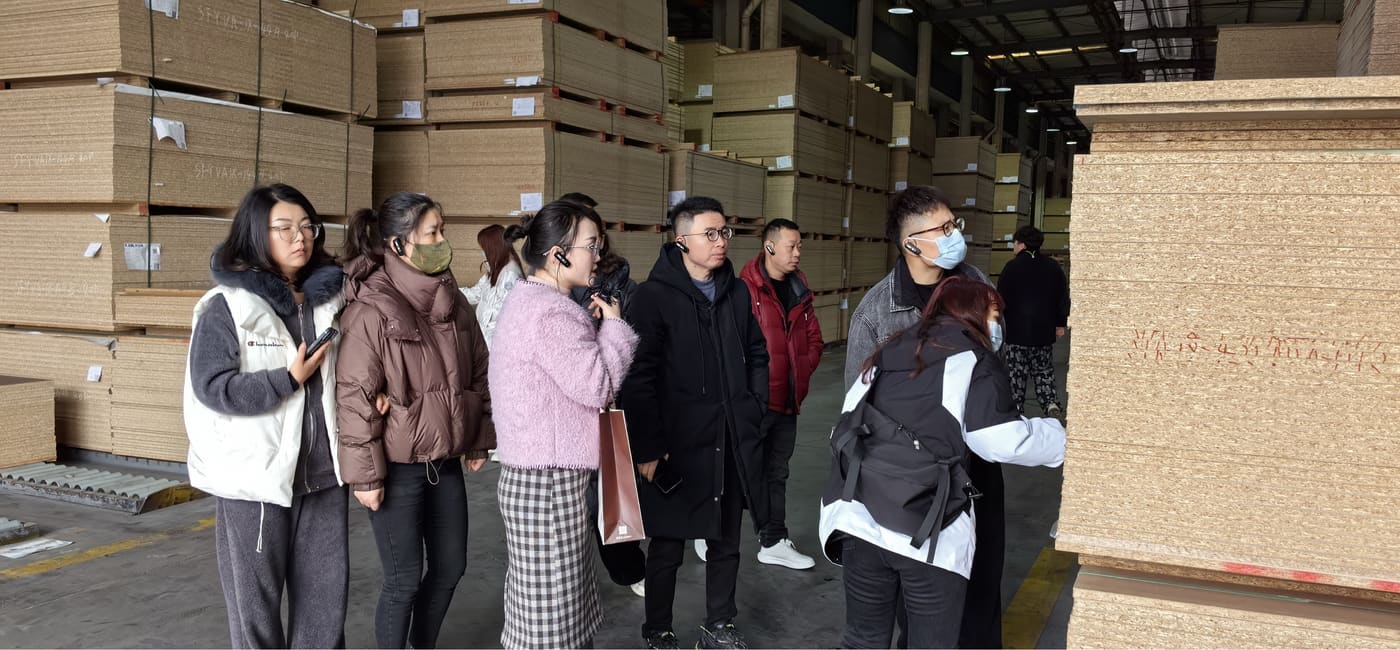
Six categories, each with its own checks
Each page is written from the ground: what the category actually is, where it is made, and what to verify before you commit.
What an industry page gives you
An industry page is not an encyclopedia. It answers one question: what would go wrong if you bought this category from the wrong supplier.
- Where it is actually madeThe cluster that really produces it, not the city with the best airport. Toys are Shantou and Dongguan; the market floor is Yiwu.
- The checks that matter hereSafety standards for toys, formula-versus-packaging for beauty — the specific questions that catch a bad supplier in this category.
- What to expect on the floorMOQ ranges, sampling lead times, and the production steps you should see with your own eyes rather than accept on a PDF.
Each industry page links back to the region where that category is made, so the industry and the cluster stay connected.
By project stage
What to check changes with where you are.
The same category is a different trip at prototype, industrialization and volume. Read the industry page against the stage you are actually at.
- At prototypeYou check engineering support and iteration speed — how fast a change becomes a new sample. Volume and yield do not matter yet; responsiveness does.
- At industrializationYou check DFM, tooling and test fixtures — whether the design can be made repeatably, and what breaks when it scales.
- At volumeYou check yield, repeatability and QC — the process control that turns a good sample into a consistent run.
If your category is not listed, tell us what you make — factory matching still names the cluster, and the manufacturing hub finder covers the regions by product.
Where next