Guide
A factory and a trading company look identical until you check.
No single signal proves anything. Three or four together is usually enough to decide whether a supplier is worth a visit.
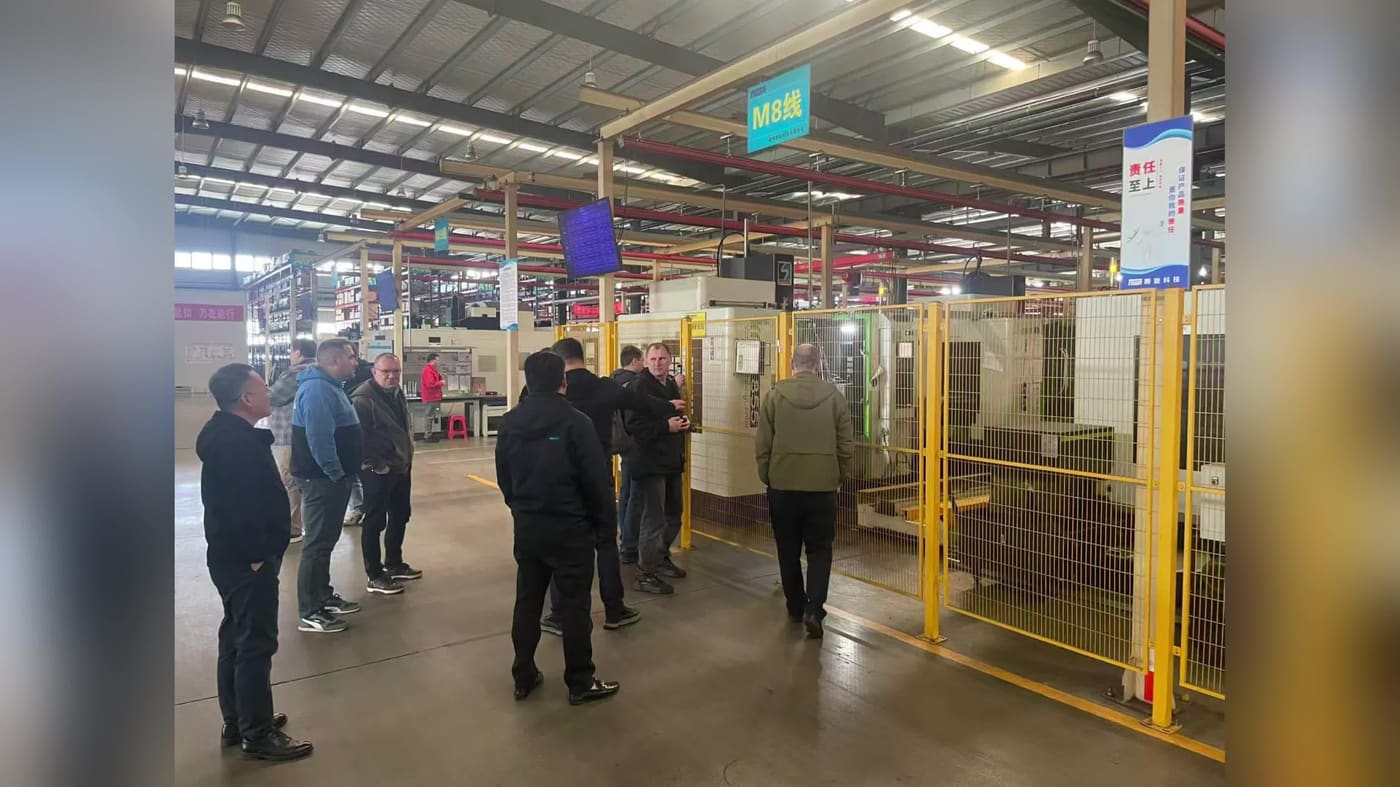
The signals
What to check, and what each one reveals.
- Registered business scopeA factory lists production and manufacturing; a trading company lists wholesale, retail or import/export.
- Registered addressA factory matches the production site; a trading company uses an office address, or shares one with several "factories".
- Tooling and mould storeA factory has one, labelled and traceable; a trading company cannot show it.
- Live video walk-throughA factory arranges it within a day or two; a trading company gives excuses, delays or a pre-recorded clip.
- Equipment photosA factory shows dated, specific floor photos; a trading company shows catalogue rooms and product close-ups.
- Who receives paymentA factory takes payment to the legal entity on the licence; a trading company asks for a personal or different-company account.
- Technical answersA factory answers from the production manager; a trading company needs to "check with the factory".
- Price against peersA factory can explain its price; a trading company is far below peers for an identical spec.
These are the same checks in the five-step vetting method, with the strongest three ranked below.
The ranking
Which signals matter most.
- Strongest: licence scope + address + toolingThese three are hard to fake. A licence that says manufacturing at the site you visit, with a tooling store on the floor, is almost always a real factory.
- Strong: live video + technical answersA real production manager can talk about tolerances on the spot. A middleman has to go ask someone — and the pause shows.
- Weakest: price and photosA low price proves nothing except that someone is quoting low. Catalogue photos prove nothing at all.
Once you have seen the signals, record them on the factory visit scorecard so one supplier is not remembered differently from the next.
The nuance
A trading company is not always the villain.
In some clusters — Yiwu above all — trading companies are a normal, useful part of how the market works. They aggregate small orders, handle logistics and know which factory makes what. The problem is not that they exist; it is that you do not know you are dealing with one.
The whole point of these checks is not to avoid traders on principle. It is to make sure the price you pay, the quality you accept and the lead time you are promised are based on what is actually happening — not on a business card that says "factory" when the factory is an hour away.
What to do
When you find out it is a trader.
Four steps
- 01.Decide whether it actually matters — a trader who handles your logistics and small orders honestly may be fine for what you need.
- 02.Ask to visit the maker anyway — a trading company with nothing to hide will arrange it.
- 03.Verify the maker with the same checks you would use on anyone else.
- 04.If the answer is evasive, treat the supplier as a trader and price the risk accordingly.
The report that records which check removed each supplier is what you get from an existing-supplier visit.
What we don't do
When to get it verified properly
A screenshot and a guess are not a check. When the order is large enough that getting it wrong hurts, get the licence and the floor looked at by someone on the ground.
- The licence scope and address are the two fields that settle most cases, and they need to be read against the registry, not the supplier’s own PDF.
- A live walk-through is the fastest single test, and it costs the supplier almost nothing if they are real.
Go deeper