Guide
Plan the factory visit around the product, not the travel.
The single biggest planning mistake is starting from the flights and hoping the factories fit. Work backwards: product, cluster, shortlist, route.
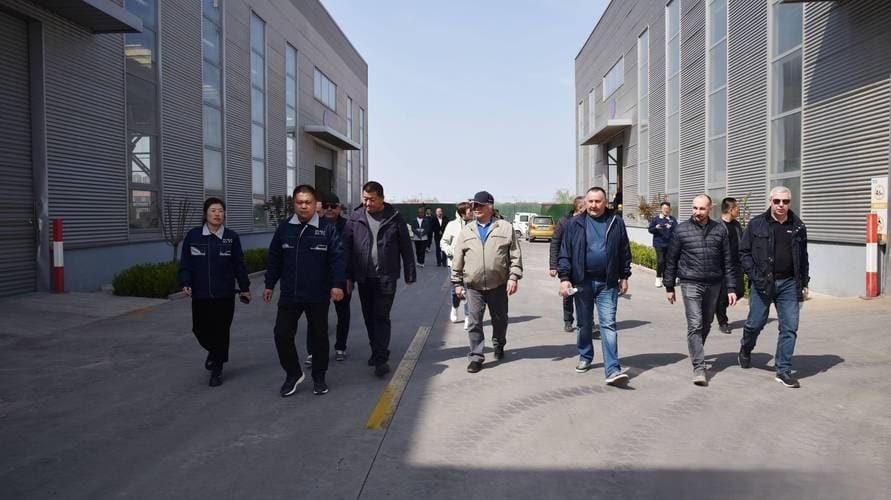
Work backwards
Five steps, in order.
- 01
Define the product and quantity
The cluster follows from the category, and the quantity decides whether you are a market order or a tooling order. Everything downstream depends on getting these two right.
- 02
Pick the region, not the airport
The city that actually makes your category. A cheap flight into the wrong city costs two travel days and shows you factories that were never going to make your product.
- 03
Shortlist wide, then pre-screen down
Start with more candidates than you need, then remove them with registration and scope checks. The shortlist is what survives the check, not what you started with.
- 04
Confirm appointments with the decision-maker
A confirmed meeting with a sales rep is not a confirmed visit. The appointment has to reach the person who can say yes.
- 05
Build the route around clusters
Two visits a day in one cluster, sequenced so the second quote arrives informed by the first. Density, not distance, is what makes a trip productive.
If you do not know which region makes your product, run it through the manufacturing hub finder first. The route itself is what the process turns into a trip, and the on-the-floor checklist is what you run on each visit.
The numbers
How long, and how many factories a day.
- DaysThree to five for a first trip. Factories sit outside the cities, so every factory day is a travel day too.
- Factories per dayTwo, in the same cluster. A walk-through with the production manager takes most of a morning; the second visit is the comparison.
- When to goAvoid the holiday shutdowns — Chinese New Year and the National Day week close most floors. The calendar, not your availability, decides the good weeks.
The exact number depends on the cluster — two factories in the same industrial zoneare one morning, two across a province are a lost day. When the route gets complex, this is whatvisit planning exists for.
Before you book
What to lock down before the flight.
Do these first
- The supplier list, confirmed real — before you book flights, not after.
- Filming permission in writing, if you are filming.
- The hotel district near the industrial zone, not the tourist centre.
- Payment and WeChat set up, so you are reachable the moment you land.
What goes wrong
The four mistakes that waste a trip.
Avoid these
- Starting with the travel and hoping the product fits the city.
- Trusting a catalogue and a friendly salesperson without a registration check.
- Overpacking the day — three visits usually means one walk-through gets cut short.
- Booking flights before the supplier list is confirmed real.
What we don't do
When to hand the planning to someone local
Planning is not hard because it is complicated — it is hard because the ground truth lives in industrial-zone addresses, shift times and a holiday calendar that a map does not show.
- Industrial-park addresses are poorly served by map apps; a driver who knows the park saves an hour a day.
- The holiday calendar and the production calendar both decide your window, and neither is on your calendar.
- A cluster only makes sense once you have seen how the factories sit relative to each other.
Start here