Procurement teams
Standardized visits, so the comparison is real.
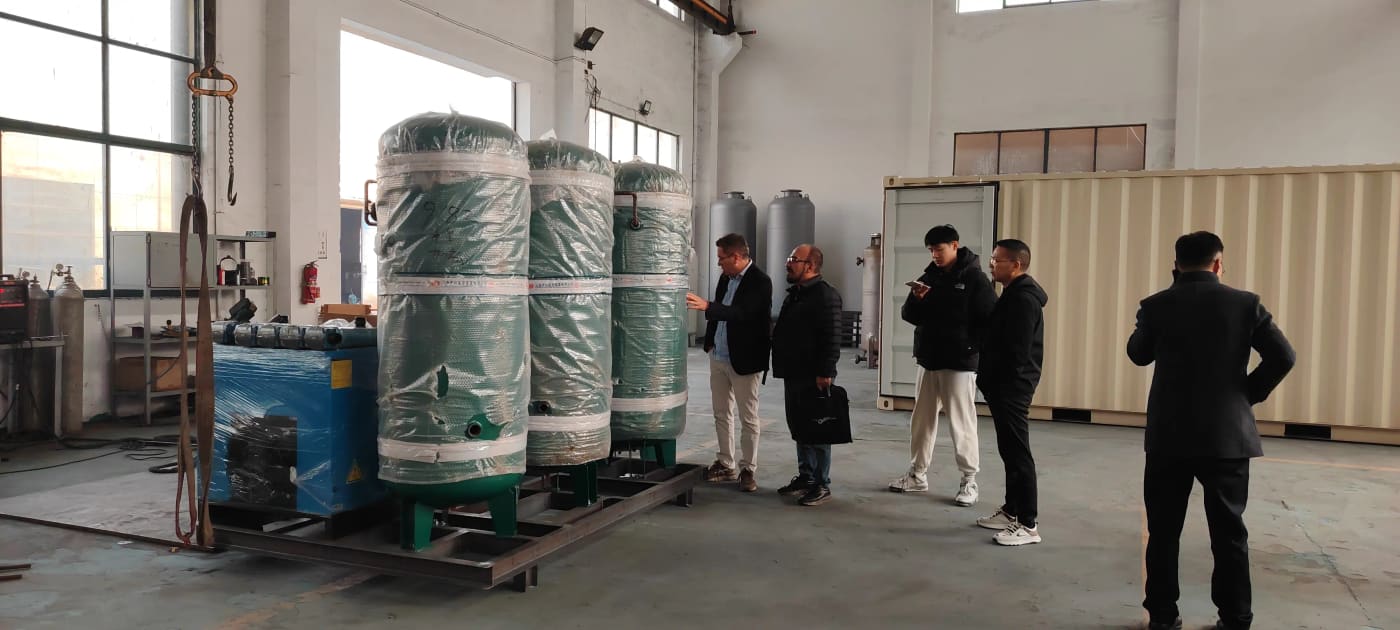
The failure mode in multi-supplier evaluation is that each visit is remembered differently. We run one structure across every supplier, so the shortlist is decided on evidence, not impressions.
The RFQ
A comparable RFQ, field by field.
A vague RFQ returns quotes that cannot be compared. These are the fields that make three suppliers land on the same page.
- Product specificationMaterial, dimensions, finish, and any tolerances — in numbers, not adjectives. A "good finish" is not a spec.
- QuantityAnnual volume and per-order volume, stated separately. Suppliers price them differently.
- Target priceGive one, so the factory knows whether it is even in the running, instead of quoting blind.
- Delivery termsIncoterm, port and target delivery window. "FOB Shenzhen" and "DDP to your door" are different quotes.
- Payment termsDeposit, balance and what triggers each stage. Vague payment terms is how a quote gets quietly more expensive.
- Quality standardAQL or defect acceptance, stated. Without it, every factory assumes a different standard.
- CertificationThe certificates your market requires, and whether the supplier must hold them or just obtain them.
- Tooling ownershipWho pays for the mould and who owns it, in writing. This is the field most RFQs leave out.
- PackagingRetail or bulk, and who supplies the packaging. It is a separate supplier with its own MOQ.
- MOQ and lead timeAsk for both, and ask which part sets the minimum. The answer changes what is negotiable.
- ValidityA date on the quote. Material prices move, and an undated quote is a starting point, not a promise.
The weights
How to weight the scorecard, by category.
- Safety-critical categoriesToys, electrical, anything for children — compliance and certification dominate, because a recall wipes out every price saving.
- Tooling-led categoriesInjection moulding, die-casting — tooling ownership and engineering capability outweigh price, because the mould is a multi-year asset.
- Commodity categoriesStock hardware, packaging, textiles — price and lead time carry more weight, and the compliance bar is lower.
The weights follow from the industry pages — toys weight safety above price, and that is not a preference, it is a recall.
The schedule
Two factories a day, and the management meeting on day two.
The management meeting should come after the floor walk, not before it — otherwise it is a PowerPoint, not a conversation about what you actually saw.
Two focused visits a day is the realistic pace for a procurement team: the walk-through, the QC bench, the tooling store and the meeting with the production manager each take real time. The management meeting is scheduled for day two or three, once there is a floor visit to talk about. A meeting on day one, before anyone has walked the line, is a sales presentation with the word "management" on it — and an interpreter keeps the numbers exact in the room.
The boundary
What we check, versus a formal audit.
Our five checks — business licence, registered scope, capacity and equipment, walking the floor and somebody who can say yes — tell you whether a factory is real and whether it can hold your volume. They are a visit-level check, not a social-compliance audit. A formal audit measures the factory against a written standard and is done by certified auditors; we coordinate that rather than perform it.
The report
What the report actually contains.
Deliverables
- One structured report per supplier, using the same fields so the rows line up across factories
- The five checks recorded against each: business licence, registered scope, capacity and equipment, walking the floor and somebody who can say yes
- The scorecard per supplier, so the comparison is a table rather than a memory
- Rejected suppliers documented, with the check that removed them
- The decision-maker confirmed present, and what they actually agreed
See the six scoring dimensions
The same report structure is what a brand sourcing visit produces, written for internal review.
Where to start